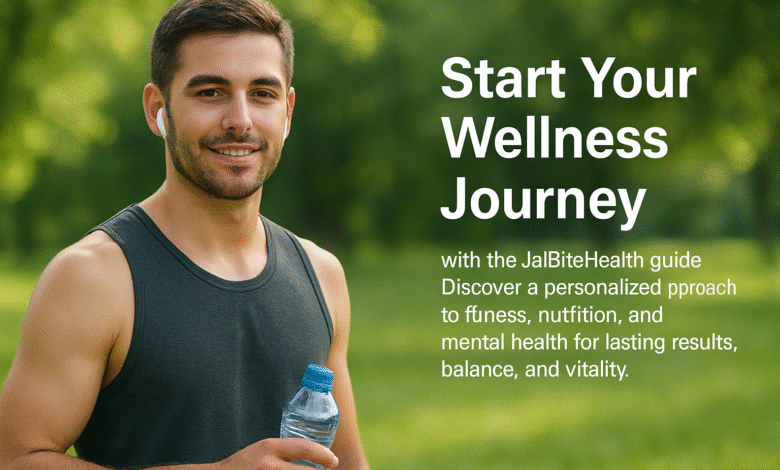
Your Wellness Journey Begins with the JalBiteHealth Guide
In today’s fast-paced world, achieving wellness often feels complicated. With so many different health trends, restrictive diets, and intense workout routines, finding what works for you can be confusing. That’s where the JalBiteHealth guide steps in. Designed to help individuals navigate their health goals with clarity and confidence, this wellness tool offers a practical, holistic approach that focuses on long-term well-being, not just quick fixes.
In this article, we’ll explore how the JalBiteHealth guide can be your roadmap to a healthier, happier lifestyle. From nutrition to mental well-being and fitness, this all-in-one system is your key to achieving balance.
What Is the JalBiteHealth Guide?
The JalBiteHealth guide is a personalized wellness system that supports individuals in creating sustainable, healthy habits. Rather than delivering generic health advice, this guide is built around the idea that everyone’s journey is unique. Whether your goal is weight loss, muscle gain, increased energy, or improved mental clarity, the JalBiteHealth system adapts to meet you where you are.
It’s more than a fitness manual—it’s a complete wellness blueprint that promotes a realistic, balanced lifestyle based on your individual needs.
The Core Philosophy of JalBiteHealth
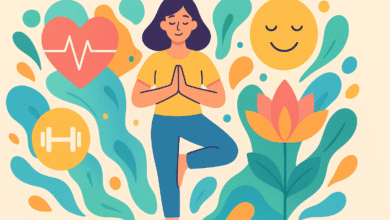
Unlike one-dimensional programs that only focus on calories or reps, the JalBiteHealth guide embraces a well-rounded approach. It emphasizes the importance of aligning physical health with mental and emotional well-being. This philosophy revolves around balance—not perfection. You don’t have to be extreme in your efforts to be successful. Instead, the guide encourages you to take small, meaningful steps that lead to lasting change.
This principle is what sets the JalBiteHealth system apart. It’s not about short-term fixes but sustainable growth in all areas of your life.
How the JalBiteHealth Guide Supports You
At the core of the JalBiteHealth guide are comprehensive resources that walk you through every stage of your wellness journey. These include easy-to-follow nutrition strategies, customizable fitness routines, and mental health practices that build resilience and clarity.
Whether you’re trying to incorporate more vegetables into your diet, develop a consistent workout schedule, or find ways to relieve stress, the guide has something for you. Every section is designed with flexibility, so you can tailor it to your own pace and lifestyle.
Nutrition: The Foundation of Wellness
Good nutrition is the starting point of any health journey, and the JalBiteHealth guide puts it front and center. Instead of focusing on elimination or extreme dieting, the guide teaches balance. You’ll learn how to choose wholesome, nutrient-dense foods that fuel your body and mind.
From customizable meal plans to grocery lists and recipe suggestions, the guide empowers you to eat better without sacrificing taste. One example of a daily plan might include:
-
Breakfast: Overnight oats with chia seeds and blueberries
-
Lunch: Mixed greens with grilled salmon and olive oil dressing
-
Dinner: Roasted vegetables with quinoa and lentils
The guide also makes room for your favorite treats—because enjoying food is part of living well.
Prioritizing Mental Health in Your Journey
Many people overlook mental health when setting fitness goals, but it’s an essential piece of the puzzle. The JalBiteHealth guide integrates practices like mindfulness, journaling, and meditation to help you stay emotionally grounded.
These practices improve focus, reduce stress, and support personal growth. By addressing your mental and emotional well-being, the guide ensures you’re not just healthier on the outside—but also thriving internally.
Fitness Plans for All Levels
Whether you’re new to working out or you’ve been active for years, the JalBiteHealth guide has you covered. The fitness section includes:
-
Beginner, intermediate, and advanced workout plans
-
Bodyweight and resistance training exercises
-
Yoga flows and low-impact movement
-
Cardio programs for heart health
All fitness routines are designed to be adaptable, meaning you can modify movements and schedules based on your time, energy, and goals.
Personalization Is Key
One of the standout features of the JalBiteHealth guide is its ability to be fully personalized. You’re not expected to fit into someone else’s program—instead, the guide fits into your life.
Users report better results and more satisfaction when they tailor the guide to their individual circumstances. Whether you’re a busy parent, a student, or managing a demanding job, you can create a plan that works with your lifestyle.
Long-Term Results with a Sustainable Approach
Fad diets and quick-fix plans may work temporarily, but the JalBiteHealth guide focuses on sustainability. The guide encourages small, achievable habits that stack up over time—leading to real, lasting change.
It also teaches you how to maintain progress through challenges, such as travel, illness, or a hectic schedule. Consistency, not intensity, is what leads to transformation.
Tools for Tracking and Motivation
To keep you on track, the JalBiteHealth guide includes tools for logging your meals, tracking your workouts, and monitoring your emotional state. These simple check-ins allow you to adjust your strategy and stay accountable to your goals.
The program also encourages setting weekly intentions and celebrating milestones—helping you stay motivated every step of the way.
Supportive Community Access
Health journeys are easier when you’re not doing them alone. That’s why the JalBiteHealth guide includes access to an online support community. Here, users share tips, offer encouragement, and celebrate wins together.
Having a group of like-minded individuals to cheer you on can be the difference between giving up and pushing through.
Why Choose the JalBiteHealth Guide?
With countless wellness programs out there, what makes this one worth your time?
-
Holistic framework: It balances nutrition, mental health, and fitness.
-
Flexible design: It works with your life, not against it.
-
Lasting results: It focuses on sustainable practices.
-
Beginner-friendly: Anyone can get started, no matter their experience.
The JalBiteHealth guide isn’t a trend—it’s a lifestyle solution designed to support real people in building real habits.
How to Begin Your Wellness Journey
Ready to take the first step? Starting with the JalBiteHealth guide is simple. Visit their website, sign up for a free overview or consultation, and start exploring the tools available to you. You’ll be equipped with everything you need to start making small, meaningful changes that lead to lifelong wellness.
FAQs
What makes the JalBiteHealth guide unique?
It provides a holistic, customizable wellness plan that supports your mind and body, not just one or the other.
Can beginners use the JalBiteHealth guide?
Yes! The guide is designed for users at every level, from total beginners to fitness enthusiasts.
Does the guide include mental health support?
Absolutely. Techniques like mindfulness, meditation, and journaling are central to the guide.
Can I adjust the JalBiteHealth guide for my schedule?
Yes, every section is adaptable so you can create a plan that fits your lifestyle.
Is this guide focused on long-term wellness?
Yes. The goal is sustainable habits and lifelong health, not quick-fix transformations.